The difference between condition and warranty plays a crucial role in conflict resolution in modern contractual law.
Each and every commercial contract has certain terms and conditions, which specify the responsibilities of the purchaser and the seller.
The Uniform Commercial Code (UCC) regulates the contractual terms in the United States for the purchase of products.
Knowing the terms will help you understand when you can terminate a contract. Today, the legal world has been witnessing some of the biggest product liability lawsuits filed for automotive sensors and software.
The outcome of these 2026 class-action lawsuits will determine the electronic “conditions” soon, according to their legal timeline.
In this article, we will discuss the following:
- The legal definitions of “conditions” and “warranties” in a contractual agreement.
- The specific consequences of a contractual breach.
- Federal and state laws of the United States, which protect consumers during a contractual breach.
- The real-life implications of the differences between “conditions” and “warranties” in a contractual agreement.
What Is A Condition?
A condition is a primary stipulation that is essential for the very foundation of a contract. The primary difference between a condition and a warranty is their level of importance.
Legal Definition Of Condition
A condition is a stipulation that is vital enough to form the very foundation of a contract. When a party fails in a condition, a buyer is free to stop a sale.
Essential Features Of A Condition
These stipulations are non-negotiable for a business transaction. They are the “reason” behind a contract. (Source: Nolo)
Express Conditions
The parties include these provisions in the contract so that no ambiguity remains. They leave no room for any kind of ambiguity or question regarding the performance.
Implied Conditions
The law includes these provisions so that the basic rights of the buyer are not violated. For example, the seller should own the product that he or she is selling.
What Is A Warranty?
A warranty is a collateral contract that is included in any legal contract. The difference between condition and warranty is most apparent in the remedies.
Legal Definition Of Warranty
Warranty is a promise that is not vital to the basic purpose. Breach of this provision does not terminate the agreement.
Essential Elements Of Warranty
The terms offer additional protection but do not completely characterize the agreement. They may include minor maintenance work or particular performance qualities (Source: FindLaw).
Express Warranties
Sellers may offer express warranties through verbal claims or written ads. An example of an express warranty is a claim that a battery has a long life.
Implied Warranties
The UCC implies that there is a warranty of merchantability for most consumer products. This implies that the product will perform the required functions.
Federal And State Laws Regarding Contract Terms
The distinction between condition and warranty is subject to numerous tiers of legislation in America. The legislation ensures that everyone plays by the rules in business.
The Uniform Commercial Code (UCC)
Article 2 of the code deals with the interstate sale of merchandise. It lays down rules regarding how warranties are made and how they can be avoided.
The Magnuson-Moss Warranty Act
This legislation deals with written warranties given to consumers regarding merchandise. It ensures that information regarding how repairs are made is given to the consumer (FTC).
Key Differences Explained In Detail
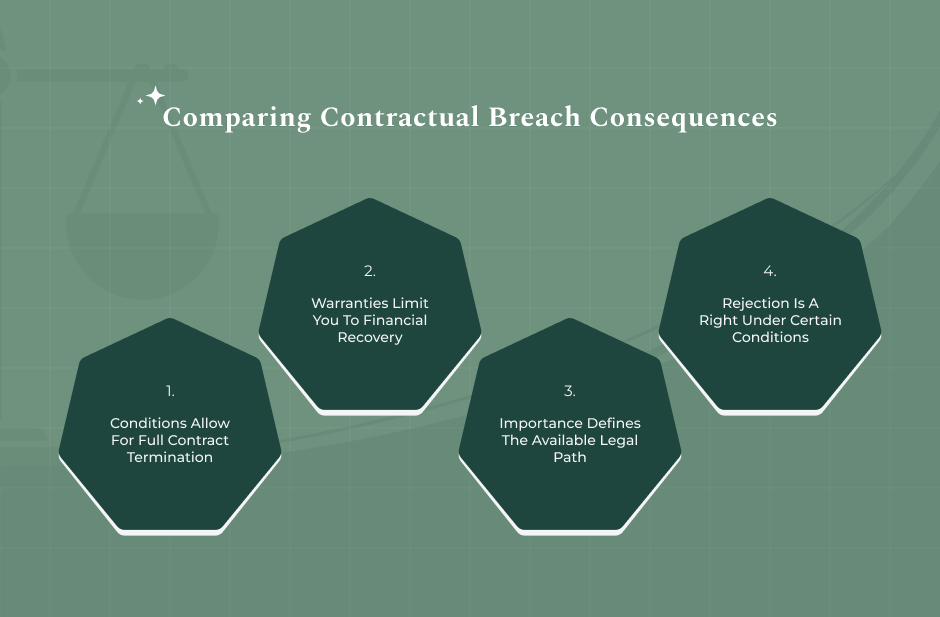
The distinction between condition and warranty is more than just a nomenclature. The legal consequences of the two are very different during a dispute.
Importance In Contract
Condition is the basis on which a contract is formed, while a warranty is just a promise that supports a contract.
Legal Remedies Available
When a contract is breached, repudiation and damages are available if a condition is breached, while only damages are available if a warranty is breached.
Right To Reject Goods
Goods can be completely rejected if a condition is not satisfied, while in the case of a warranty, the goods must be retained and made repairable.
Impact On Business Transactions
Large corporations use the distinction between the two to minimize liability in a contract chain. They use the term warranty to avoid cancellations.
Real-Life Examples Of Condition And Warranty
An understanding of how conditions and warranties apply in real life will make it easier to grasp these two sets of rules.
The Car Purchase Example
The primary purpose of buying a car is to drive it. Therefore, failure of the engine to drive will be a breach of condition.
The Cosmetic Defect Example
A scratch on the door of the car will be a breach of warranty since the car still has the primary purpose of driving.
Case Laws On Condition And Warranty
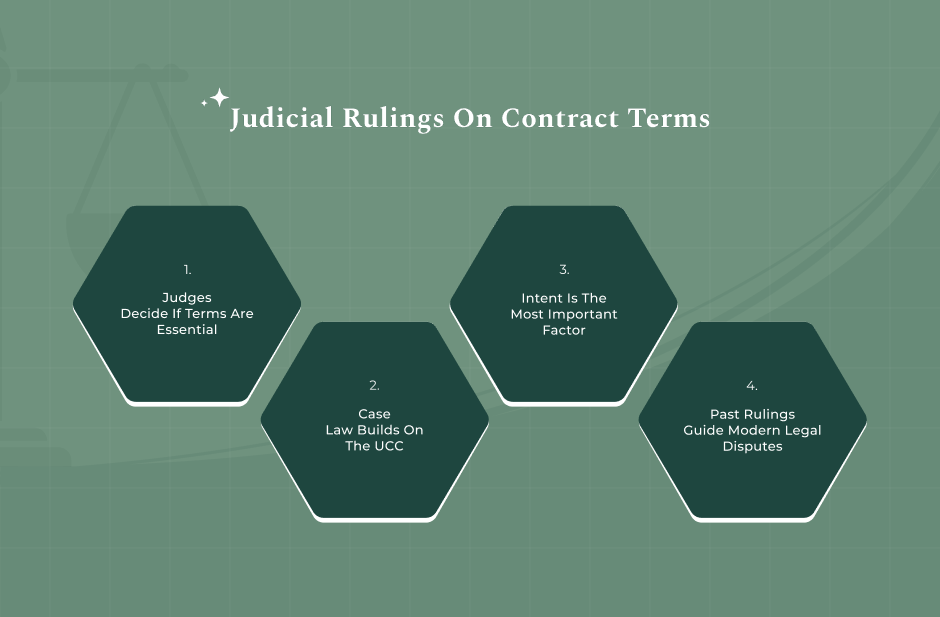
Court decisions also assist in understanding the line that divides condition and warranty over time.
Landmark Interpretations
The “essence” of the agreement is frequently examined in every case by the court. The court in the case of Wood v. Boynton examined the nature of the items that were being sold.
Modern Rulings
Software failure is now regarded as a breaking of a fundamental condition. This has led to an obvious distinction between condition and warranty if a product fails completely.
For example, if a smartphone is not able to make phone calls because of a failing software, it is breaking an essential condition. You can return it and get a refund instead of waiting for a slow repair.
When A Condition Becomes A Warranty
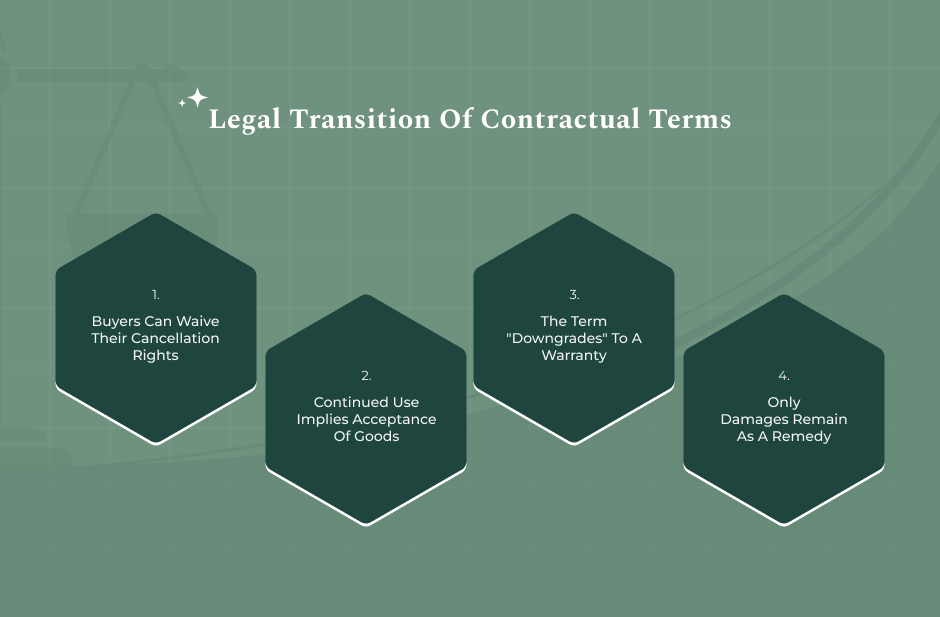
In some cases, the distinction between condition and warranty can become blurred. In this case, the buyer loses the right to cancel the whole contract.
Waiver Of Condition
The buyer can choose to treat the condition as a warranty. This happens when the buyer accepts the goods despite the fault.
Acceptance Of Goods
Your rights change the moment you start using the goods. In this case, the contract cannot be cancelled for the failed condition.
Read Also: The Difference Between Bailment And Pledge: A US Legal Guide
Conclusion
The distinction between condition and warranty is always important in any business deal. The knowledge of what constitutes essential terms in any deal ensures you have the right to back out in case of bad deals.
It is always important to read the fine print in any sales contract to know what constitutes express categories. State and federal laws have provided a safety net to protect citizens in business deals.
However, it is always important to be clear in any contract to have the upper hand in any business deal.
Frequently Asked Questions (FAQs):
The difference between condition and warranty has been one of the major issues that have caused confusion to many citizens in the USA. The questions have been designed to cover issues that have been experienced in the world of law in recent times.
The “Lemon Laws” in California have been designed to consider any recurring defect in vehicles to be a breach of contract. If a car cannot be fixed by the manufacturer, it has to be taken back by the same manufacturer.
Yes, but there are strict rules under the UCC that must be followed. The seller can use phrases such as “as is” to exclude implied warranties, but it is difficult to exclude express conditions that define the product itself. Consumers should be on the lookout for such disclaimers in any contract prior to signing a major contract.
In 2026, the debate is raging in the courtroom on whether or not “bugs” in the program are a breach in warranty or a breach in condition. This allows consumers to return the product and receive a full refund rather than just repairs for minor problems.