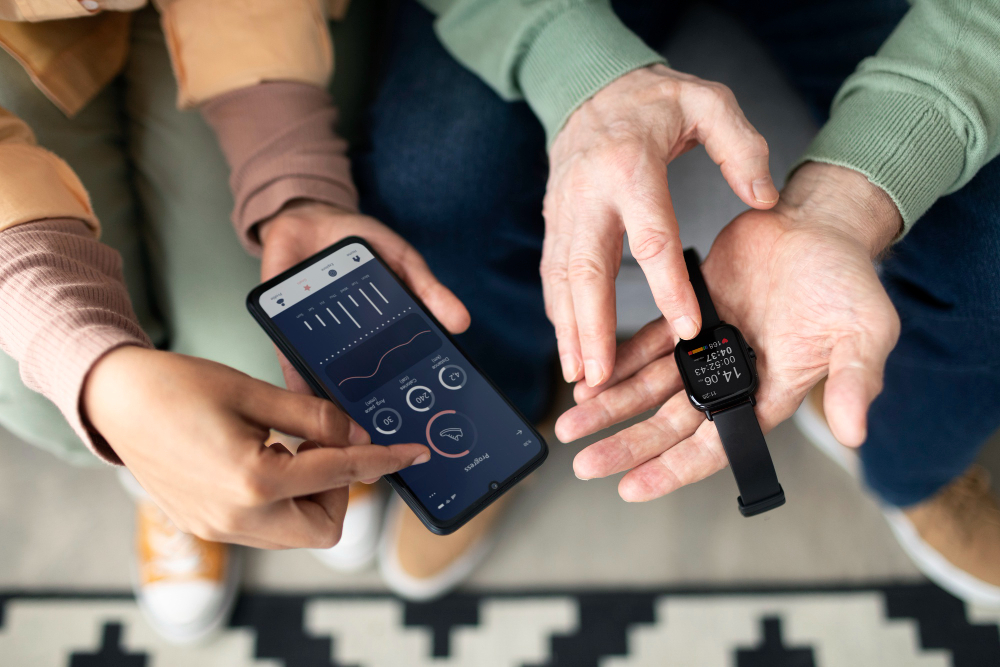
Fitness trackers have become part of everyday life for many Canadians.
These devices count steps, monitor heart rate, track sleep, and record physical activity with surprising detail.
After an accident, that wearable tech evidence may become more than a personal wellness tool.
Anyone speaking with a Hamilton personal injury lawyer may learn that data collected by a smartwatch or fitness tracker can sometimes play a role in an injury claim.
What Wearable Tech Evidence Actually Records?
Modern fitness trackers collect far more than daily step counts.
Depending on the device, they may record walking distance, heart rate, sleep quality, exercise sessions, stair climbing, and periods of inactivity.
Some models even detect falls or monitor changes in activity over long periods.
This information creates a digital timeline of a person’s physical activity.
If someone regularly wore the device before and after an accident, it may provide useful insight into how their routine changed following the injury.
Although fitness trackers are not medical devices, the records they generate can sometimes help illustrate changes in physical function.
How The Data Can Support A Claim
In some cases, fitness tracker data may strengthen a personal injury claim.
Imagine someone who averaged 10,000 steps a day before an accident but struggled to reach 2,000 steps afterward.
That sharp decline could support medical evidence showing reduced mobility and ongoing pain.
The same may be true for changes in exercise habits or sleep patterns.
Moreover, a different situation arises when the data show a consistent reduction in activity over several months.
Then, it may reinforce a claimant’s description of daily limitations.
When combined with medical records and professional opinions, this information can help create a more complete picture of the injury’s impact.
When The Data Can Create Challenges
Digital records do not always benefit the injured person.
Insurance companies may review available fitness tracker data if it becomes relevant during a claim.
If the records appear inconsistent with reported limitations, they may argue that the injury is less severe than claimed.
For example, activity logs showing frequent long walks or vigorous exercise could raise questions if a claimant reports being unable to perform those activities.
However, raw numbers do not always tell the full story.
A brief period of increased activity does not necessarily reflect how a person felt afterward or whether symptoms worsened later that day.
Why Context Still Matters
Fitness tracker data should never be viewed in isolation. A step count cannot measure pain, fatigue, or emotional distress.
It also cannot explain why someone pushed through discomfort to attend work or a family event.
For that reason, courts and insurers typically consider digital data alongside medical records, witness statements, and other evidence.
Consistency remains important. If wearable device data aligns with medical documentation and the claimant’s own account, it may strengthen credibility.
If the information appears incomplete or misleading, additional context may be needed to explain what the numbers actually represent.
How Does Wearable Tech Evidence Come In Conflict With Privacy?
The emergence of technology has significantly transformed the health industry, leading to a wide array of wearables and devices.
These include smartwatches and rings that can be worn conveniently on the wrist and are designed to monitor:
- Heart Rate
- Blood Pressure
- Other Vital Health Parameters
However, this technological advancement raises serious concerns regarding data privacy.
Users often do not have a mechanism to consent to the data collection practices of such devices.
Furthermore, can they easily prevent the unauthorized sharing of their sensitive personal information?
In India, the Supreme Court’s landmark ruling in Justice K.S. Puttaswamy Vs. Union of India has enshrined the right to privacy as a fundamental right under Article 21 of the Constitution.
This judgment is frequently referenced when evaluating both state and private encroachment into the flow of health-related data.
Moreover, health-related websites and applications represent another significant area of concern.
This is because they often lack robust consent mechanisms.
Moreover, another strong reason behind this is that they don’t have an adequate legislative framework.
So, it is difficult for them to determine liability in the event of data breaches.
Additionally, in Selvi Vs. State of Karnataka, the Supreme Court established that conducting narco-analysis and brain mapping without consent constitutes a violation of privacy.
In addition, you cannot underscore the necessity of user consent in such procedures.
These legal frameworks highlight the importance of safeguarding personal data in the rapidly evolving landscape of health technology.
The Growing Role Of Digital Evidence
As wearable technology continues to gain popularity, the presence of digital evidence in personal injury claims is expected to rise.
Devices such as smartwatches, smartphones, and health applications generate a wealth of information that can be pivotal during legal proceedings.
This digital data can provide insights into a claimant’s physical activity, health metrics, and overall wellness, which may support their case by demonstrating the impact of an injury on their daily life.
However, it is important for claimants to recognize that while this evidence can bolster their arguments, it may also raise questions that could undermine their claims.
For example, data indicating a high level of activity or physical health before an incident might be used to challenge the severity of injuries claimed.
Thus, individuals involved in personal injury cases should approach the use of wearable technology and the data it generates with caution.
Understanding both the potential benefits and drawbacks of digital records can help claimants navigate their cases strategically.
Consulting with legal professionals about how this evidence should be addressed is advisable to ensure the best possible outcome in litigation.
The Dynamics Of Wearable Tech Evidence Explained
Fitness tracker data is becoming an increasingly important form of evidence in Canadian personal injury claims.
Now, this is a fact: this process of collecting evidence cannot replace medical opinions or fully explain the effects of an injury.
However, that doesn’t determine the fact that it is very useful in a lot of cases.
It can provide valuable insight into changes in physical activity before and after an accident