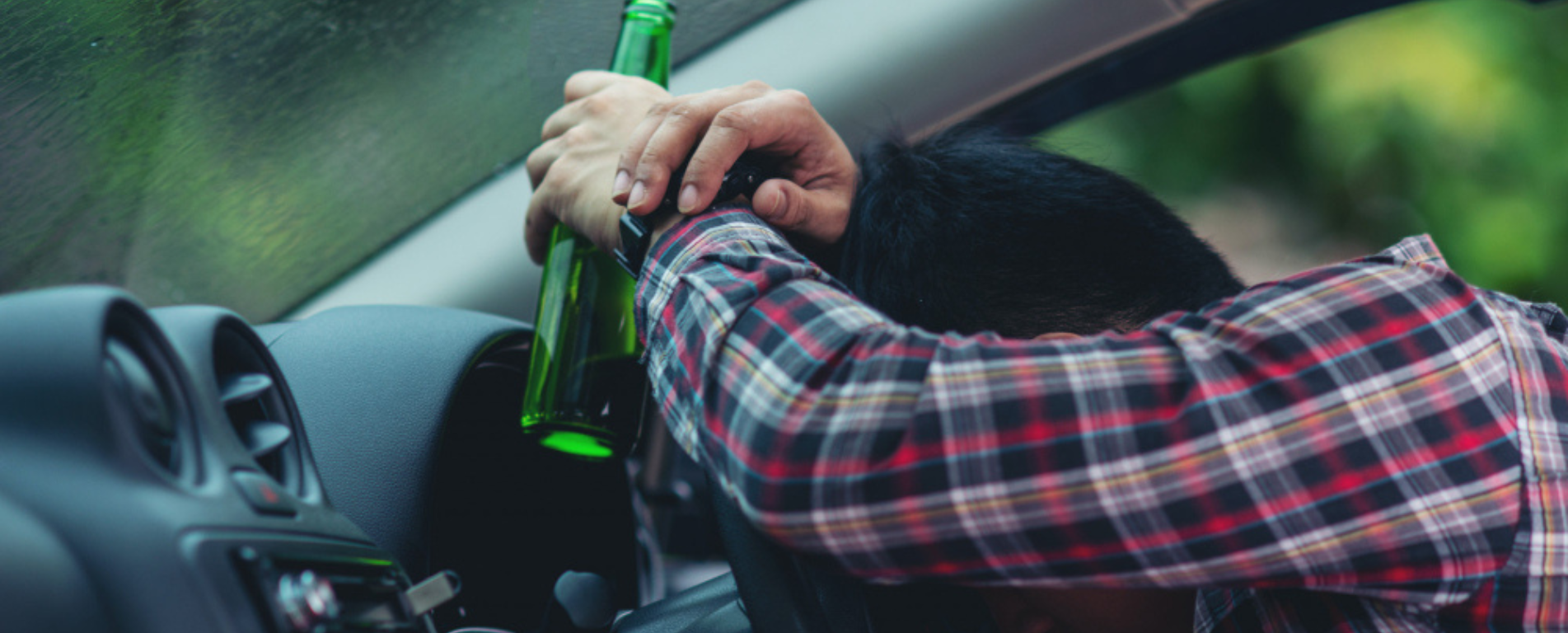
Today’s topic: Uber or Lyft DUI.
If a rideshare driver is intoxicated or under the influence during an accident, the scenario will not properly fall under either a typical DUI case or a typical rideshare accident.
Those injured as a passenger after a DUI crash have a double legal hassle.
For example, on one side, the rideshare insurance coverage system. And on the other hand, the liability of the intoxicated driver. These two do not necessarily yield a final settlement in the same sequence.
A drunk driving accident victim in this situation has real legal options. Which ones apply depends on what the driver was doing in the app at the moment of impact, and what evidence can still be preserved.
Uber Or Lyft DUI: When A Rideshare Driver Is The One Who Was Impaired
Most passengers assume the crash was random. The possibility that the driver was under the influence often does not surface until the police report comes back or someone at the scene mentions it.
By then, evidence that could have been captured is already gone.
A rideshare driver who was impaired creates complications that a standard crash does not. The driver’s personal auto insurance may deny coverage because the driver was operating commercially while impaired.
And Uber or Lyft’s coverage, which passengers often assume kicks in automatically, is conditional on which coverage period was active at the moment of the crash.
What “Impaired” Means Under New Jersey Law
New Jersey’s DUI statute, N.J.S.A. 39:4-50, covers any substance that impairs a driver’s ability to operate a vehicle.
Alcohol, cannabis, and prescription drugs all fall under the same law. There is no separate marijuana DUI charge.
Cannabis creates a specific evidentiary problem. Standard roadside tests measure the coordination failures alcohol causes.
Cannabis primarily affects attention and time perception, not balance, so a driver can pass those tests while still being meaningfully impaired.
New Jersey built a Drug Recognition Expert program specifically to identify what standard field tests miss.
Rights Of A Drunk Driving Accident Victim In A Rideshare
A criminal conviction is not necessary to bring a civil claim. The DUI charge belongs to the state. Your injury claim belongs to you. Those are parallel tracks, not sequential ones.
A civil personal injury claim requires showing impairment at the time of the crash by a preponderance of the evidence. That standard means more likely than not.
It is a lower bar than the criminal standard. Even if the driver is not convicted or pleads to a lesser charge, the civil case remains viable.
The Criminal Case And Your Civil Claim Run On Different Tracks
The outcome of the criminal case does not control whether you can recover damages. In New Jersey, a civil plaintiff can proceed on a parallel timeline.
Waiting for the DUI prosecution to resolve is one of the most common mistakes injured passengers make.
By the time a criminal case works through the courts, a significant portion of the two-year civil statute of limitations may have already run.
Uber Or Lyft DUI: Does Uber Or Lyft’s Insurance Still Cover You After a DUI?
The answer depends on the coverage period, not the driver’s behavior.
Even when the driver was impaired, the three-period coverage system Uber and Lyft use still determines which policy applies.
Impairment does not eliminate that framework. It does complicate it.
| How The Coverage Period System Works When The Driver Was High During Periods 2 and 3 (ride accepted and passenger in vehicle), Uber and Lyft’s $1 million liability policy is active. Impairment affects fault determination and may support a punitive damages claim, but it does not void the coverage trigger. The passenger has access to the full policy regardless of why the crash happened. Period 1 works differently. Coverage there is contingent: it only activates if the driver’s personal insurer first denies the claim. A personal auto insurer may deny coverage when the driver was both operating commercially and impaired. Both conditions independently give the insurer grounds for denial. Once denied, the claim moves to Uber or Lyft’s contingent policy. That sequence takes time and requires documentation at each step. |
Proving Impairment In Uber Or Lyft DUI When There Is No Per Se THC Limit
New Jersey has no blood THC limit.
A positive test proves a driver used cannabis. It does not prove impairment at the time of the crash. THC stays in the blood for days after any impairment has passed.
For a drunk driving accident victim, that gap means building the case from several sources. The police report is the starting point, specifically any observations officers made about the driver’s condition at the scene.
A Drug Recognition Expert evaluation, if officers called one, carries real weight in both criminal and civil proceedings. Some of the things that contribute as evidence include:
- Dashcam footage.
- Witness statements.
- Physical evidence in the vehicle.
- App’s trip records.
None of that survives without prompt action. Before giving any recorded statement to an insurer, talking to a car accident attorney in NJ first is important.
And that’s because it protects that evidence from being undermined early. Adjusters who know impairment is in dispute often move to settle before the full evidence file is assembled.
What A Drunk Driving Accident Victim’s Claim Actually Involves
File a PIP claim with your own insurer first. New Jersey is a no-fault state, so your personal injury protection coverage pays medical expenses regardless of who caused the crash. That applies even though you were a passenger.
At the same time, preserve the impairment evidence. Request the police report as soon as it is available.
Follow up on whether authorities had conducted a DRE evaluation. Note any statements the driver made at the scene.
The liability claim follows: against the at-fault driver’s personal insurer first, then against the applicable Uber or Lyft policy, depending on the coverage period.
If the driver’s personal insurer denies, document that denial before filing with the rideshare company.
Punitive damages are a distinct part of the claim. In New Jersey, they apply when a defendant acted with actual malice or wanton disregard for others’ safety
A rideshare driver who knew they were impaired, accepted a fare, and drove anyway may meet that standard.
Punitive damages go beyond compensating actual loss. They exist to penalize conduct that puts others at deliberate risk.
What To Know Before You File As A Drunk Driving Accident Victim
The most common error in these cases is treating the criminal prosecution as the main event. The DUI case belongs to the prosecutor. Your injury claim belongs to you.
In practice, the impairment evidence that supports a civil claim is most available in the first days after the crash. Police reports, DRE evaluations, and witness accounts exist at that point.
The app records showing the driver’s status are safe and intact when you request them early.
Adjusters for the rideshare company or the driver’s personal insurer may reach out quickly, before you have a full picture of your injuries or a complete evidence file.
Responding to those outreaches without legal guidance can limit what you ultimately recover.
Two years from the accident date is the filing window. Courts see plenty of cases where that window closed before the injured party was ready.
Sources:
- New Jersey Statutes Annotated, N.J.S.A. 39:4-50 (DWI statute)
- National Highway Traffic Safety Administration, Cannabis and Driving
- New Jersey Division of Highway Traffic Safety, Drug Recognition Expert Program
- Uber Technologies, Inc., Rideshare Insurance Coverage Documentation