The decision to shut down Funimation and transition users to Crunchyroll has sparked a brewing storm, particularly around the lack of support for previously purchased digital copies.
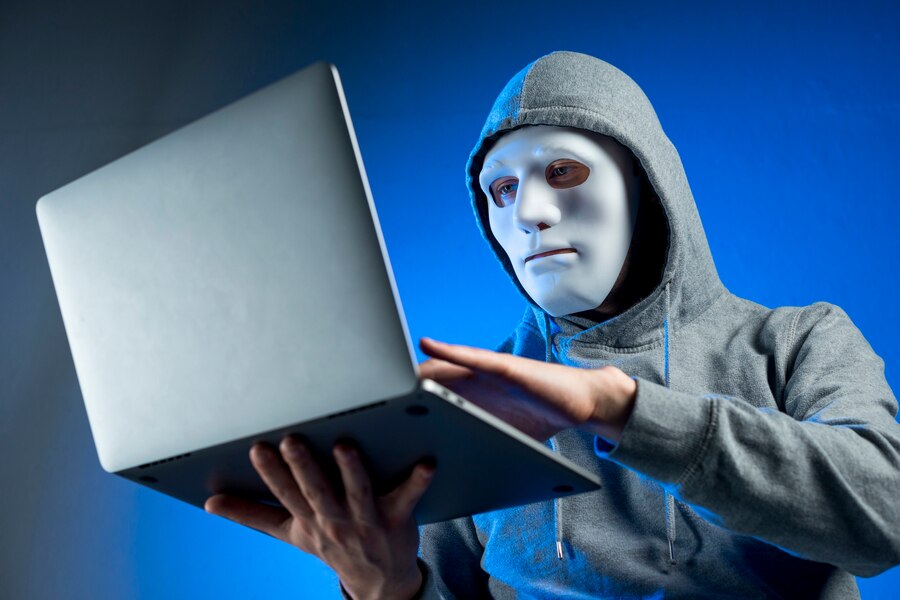
This has left many subscribers feeling frustrated. And, in some cases, resorting to piracy to access content they’ve already paid for.
While pirating content is illegal and carries financial and security risks, the current situation highlights the complex issue of content ownership in the digital age.
When platforms merge or shut down, users often lose access to purchased content. This, in turn, creates a sense of betrayal and pushes them towards unauthorized means of acquisition.
Piracy Laws And Enforcement:
Laws around pirating content target both direct perpetrators of unauthorized distribution and consumers, emphasizing deterrence.
Governments worldwide have implemented stringent measures to address digital piracy. Moreover, this ranges from civil and criminal penalties to site blocking and domain seizures.
These legal interventions aim to curb the financial impact of intellectual property theft on content creators and the entertainment industry.
In addition to legal repercussions, authorities have launched public awareness campaigns. As a result, this will educate consumers about the ethical and legal consequences of piracy.
These campaigns seek to dissuade individuals from participating in or benefiting from unauthorized distribution. Also, it emphasizes the importance of supporting content creators and respecting intellectual property rights.
Content creators actively collaborate with law enforcement agencies to identify and dismantle piracy networks.
Digital rights management (DRM) technologies also encrypt and protect digital content, serving as a deterrent to unauthorized copying and distribution.
Streaming platforms, as key players in the battle against piracy, have become more proactive in monitoring and preventing unauthorized access to their content.
The removal of pirated material and the termination of accounts engaged in illicit activities are common measures platforms take to uphold copyright protection.
Content Takedowns And Consumer Reaction:
People’s response to Sony barring access to content that consumers paid for is a consequence of their actions.
It is still up for debate whether this move will be profitable for the company in the long run.
Consumer reactions to content removal on streaming platforms due to piracy-related issues reflect a complex interplay between frustration and adaptive behavior.
As viewers encounter the unavailability of their preferred shows or movies, various shifts in consumer behavior emerge.
Migration To Alternative Platforms:
The frustration stemming from the unavailability of desired content on mainstream streaming services often drives consumers toward alternative platforms.
These platforms may not adhere to the same legal standards as established streaming services. As a result, they pose challenges for content creators and authorities seeking to control piracy.
This migration to less-regulated spaces jeopardizes intellectual property rights. Also, it underscores the need for a comprehensive approach to combat piracy across diverse online platforms.
Increased VPN Usage:
Virtual Private Networks (VPNs) have gained popularity for users to bypass geo-restrictions and access content not available in their region.
While VPNs offer privacy and security benefits, their misuse for circumventing copyright laws contributes to the persistence of piracy-related challenges.
This trend underscores the importance of addressing the root causes of piracy. Also, it enforces effective legal measures to discourage unauthorized access.
Resurgence Of Physical Media:
In response to the impermanence of digital content availability, some consumers revert to traditional forms of media. This includes purchasing DVDs or Blu-rays.
Physical media provides a tangible and permanent copy of the content. Also, it mitigates the risk of sudden removal due to legal issues.
This resurgence highlights a nostalgic, tactile aspect of media consumption. In addition, it offers content creators an opportunity to explore hybrid distribution models that blend digital and physical formats.
Embrace Of Legal Alternatives:
Recognizing the significance of supporting content creators and respecting intellectual property rights, some consumers choose legal alternatives.
Subscription services, digital purchases, and rentals offer avenues for viewers to access content legally, contributing to a sustainable and ethical digital entertainment ecosystem.
This shift reinforces the importance of making legal options attractive and accessible to consumers, encouraging a responsible and supportive approach to content consumption.
The removal of content from streaming platforms due to piracy-related issues triggers a diverse range of consumer responses.
Understanding these shifts in behavior is essential for stakeholders in the entertainment industry to adapt strategies that simultaneously protect intellectual property and meet evolving audience preferences.
Balancing enforcement measures with consumer-friendly alternatives remains a key challenge in fostering a digital entertainment landscape that is both ethical and enjoyable.
Potential Penalties Of Pirating Content:
According to an article written by the Law Office of David A. Breston, digital piracy and illegal downloads carry a range of penalties, contingent upon the jurisdiction and the severity of the infringement.
Civil penalties may involve facing lawsuits and paying damages to the copyright holder, with the amount determined by factors like the extent of infringement and financial losses incurred.
Criminal charges, including fines and imprisonment, can arise in more serious cases, particularly those involving commercial infringement or substantial financial harm to copyright owners.
Statutory damages, a predefined range set by law, may be awarded as a deterrent without requiring proof of actual monetary losses.
Courts can issue injunctions, directing the cessation of infringing activity, and violating such orders can lead to additional legal consequences.
Some countries implement measures such as suspending or terminating internet access for repeat offenders, directly affecting their ability to access online content.
In cases of commercial-scale piracy, asset seizure, involving confiscation of equipment, bank accounts, and other illicitly acquired assets, may occur.
The specifics of these penalties vary widely, emphasizing the importance of understanding and adhering to copyright laws to avoid legal repercussions.
Striking A Balance Between Copyright Protection Enforcement And Making Content Accessible Is Crucial:
The interplay between laws around pirating content and consumer behavior on streaming platforms is complex and multifaceted.
As content creators, streaming services, and authorities continue to adapt to the challenges posed by piracy, understanding and addressing the underlying factors influencing consumer behavior becomes paramount.
It is important to understand that simply owning something that is completely online isn’t that good. When you buy something online, you are buying a license to use/view said product.
Striking a balance between enforcing copyright protection and providing accessible, legal avenues for content consumption will be essential in fostering a sustainable and enjoyable digital entertainment landscape for all stakeholders.
Read also:
- What Are Some Of The Best Law Books To Read?
- What Bachelor Law Degree Is Best For Law School?
- Everything You Need To Know About Online LLM Programs In The US