The exculpatory evidence forms the main defense of every accused in the American jurisprudential system.
Exculpatory evidence is a type of evidence that mainly excuses, justifies, or absolves a particular defendant of his or her guilt. A fair trial without access to such information would be impossible.
As we begin early 2026, the legal world is abuzz with a number of appeals in which defense attorneys are accusing prosecutors of misconduct in withholding crucial information.
For example, in the ongoing legal litigation of the tech industry fraud trials of 2024, the importance of digital metadata as exculpatory evidence has come under the spotlight.
These trials are now in the appellate stages of litigation in early 2026. In addition, a number of civil rights lawsuits filed in late 2025 are currently underway, accusing police departments of withholding crucial information in police camera footage. Hence, it is evident that the fight for discovery is alive and kicking.
In this article, we will elaborate on the following:
- The formal exculpatory evidence definition and its basic functions.
- The constitutional “Brady Rule” and the duty of the prosecution.
- Federal and state laws govern the disclosure of evidence.
- Landmark Supreme Court cases that protect the accused.
What Is Exculpatory Evidence In The US Court System?

By being familiar with the basic essence of the definition of exculpatory evidence, a citizen is able to grasp the balance of the justice system. The evidence does not even have to prove the defendant not guilty. It simply has to help the defendant’s case.
Defining The Meaning Of Exculpatory Proof
In defining the meaning of exculpatory evidence, we look at any fact that is inconsistent with the guilt of the accused.
For instance, a witness’s statement that the accused was in another city when the crime took place is a classic example of exculpatory evidence.
Why The Question Of What Is Exculpatory Evidence Matters?
The question of what is exculpatory evidence is a common one in the justice system. Exculpatory evidence is basically any kind of evidence that is favorable to the person facing the accusations.
Exculpatory evidence can come in different forms, which can include physical evidence, witness testimony, or even a scientific report.
For example, in a case where a prosecutor possesses a DNA report that does not match the defendant, he or she will have to share this information with the accused. Failure to do so would result in a miscarriage of justice.
Concerning Exculpatory Evidence
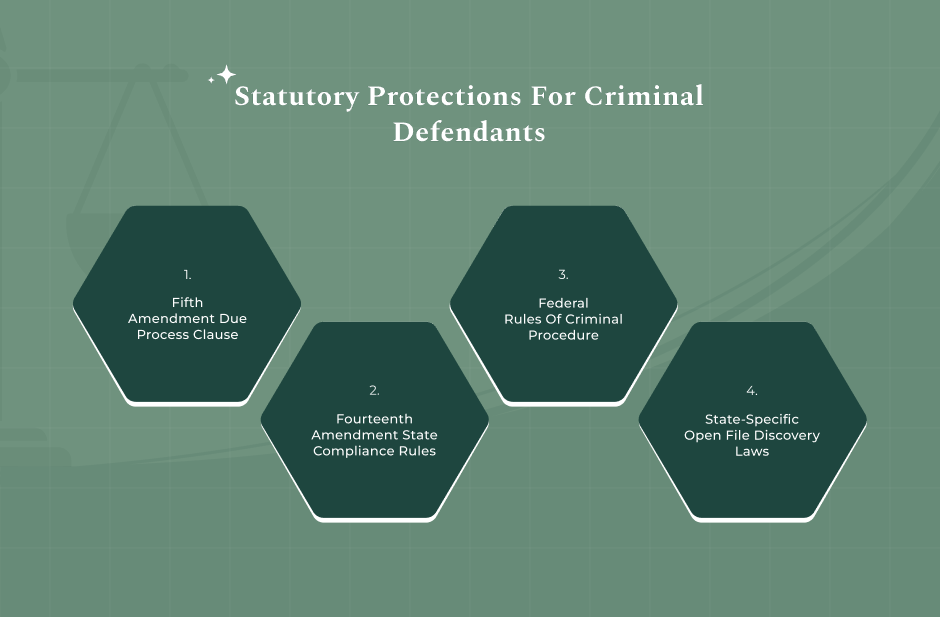
The United States Constitution provides the best protection for the defendant with regard to exculpatory evidence under the Due Process Clause.
State and federal laws are extensions of the above to make sure the police and prosecutors do not withhold the truth.
Police Department Transparency Rules
The rules related to the exculpatory evidence are something that also guides the police department. If a police officer files a report contrary to the key witness’s statement, they need to share it with the defendant.
The new laws of the year 2026 emphasize the retention of digital evidence, such as GPS. In that way, erasure of the evidence becomes nearly impossible.
The Constitutional Mandate
The Fifth and Fourteenth Amendments of the Constitution mandate a fair trial by the government.
A fair trial includes a mandate for the disclosure of exculpatory evidence. Prosecutors have a “continuing duty” to seek exculpatory evidence.
Prosecutors cannot claim ignorance of the existence of exculpatory evidence when the prosecutors knew the existence of the evidence in the police files. (Source: Cornell Law School)
Federal Rule 16 And Disclosure
The Federal Rules of Criminal Procedure 16 discuss the procedure that the government must follow for the disclosure of the evidence.
The federal rule states:
The prosecutor shall permit the defendant to inspect and copy such matter that is material to preparing the defense.
This rule is normally used for the procurement of exculpatory evidence before a trial.
State Discovery Statutes
Some states have what is called an “Open File” law. The “Open File” law encourages transparency. In an “Open File” law, the prosecutor has a mandate to share everything with the defendant.
This way, there will be no hiding of evidence in a desk drawer. In states such as North Carolina and Texas, the “Open File” law has already resulted in the acquittal of many wrongfully convicted people.
The Brady Rule And Prosecutorial Responsibility
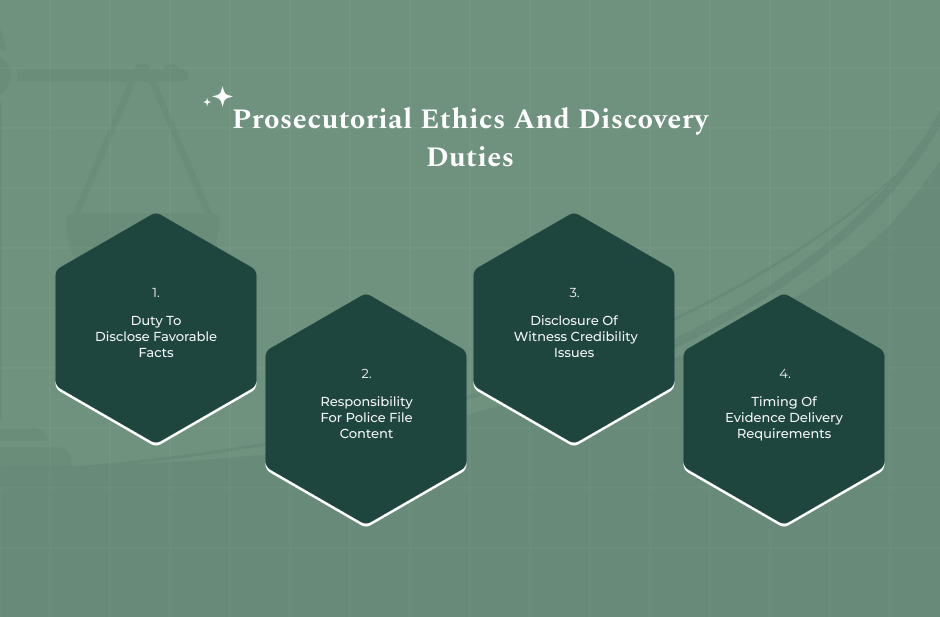
The “Brady Rule,” as it is commonly referred to, is the best-known legal standard for the use of exculpatory evidence. The first case was decided in the year 1963.
The Origin Of The Brady Rule
To fully grasp the concept of exculpatory evidence, you have to be familiar with the Brady Rule. In the case of Brady v. Maryland, the government failed to reveal a codefendant’s statement that admitted to the actual crime.
The Supreme Court decided that failing to reveal the evidence was a violation of the defendant’s right to due process.
Therefore, a permanent rule for prosecutors was established to always reveal the truth about their findings.
Dealing With Impeachment Material
Exculpatory evidence is not only physical evidence; sometimes it is impeachment material. Impeachment material is the evidence that reveals the prosecution witness is a liar.
For example, if the witness is paid for their testimony or is a habitual liar under oath, the defendant has a right to know. This is so they can attack the government for their charges against the defendant.
The Giglio Rule Expansion
In 1972, the Supreme Court expanded on the Brady Rule in the Giglio v. United States case. In this case, they ruled that any promise of leniency to a witness is exculpatory evidence. If a witness is testifying for a deal, they have a right to know.
The Consequence Of Hiding Evidence
The consequence of a prosecutor hiding exculpatory evidence is quite serious. In such a scenario, a judge has the right to completely dismiss the charges or to hold a new trial. In extreme cases, prosecutors might even be taken to court.
This ensures that the system remains honest at all times and that the pursuit of truth is never compromised for the pursuit of a win.
Famous Case Laws Concerning Exculpatory Evidence
Apart from the Brady case, there have been several other landmark cases that have defined the scope of exculpatory evidence.
These cases have ensured that the law is dynamic, adapting to changes such as destroyed evidence or late disclosure of evidence.
United States V. Agurs (1976)
In this landmark case, the court ruled that exculpatory evidence has to be provided by the government, irrespective of whether or not the defendant asks for it. The prosecutor is not just there to win a case, but to ensure that justice is done.
Kyles V. Whitley (1995)
In Kyles, the Supreme Court held that the prosecutor is responsible for all exculpatory evidence known to people working on their behalf. That means police officers and crime lab technicians.
A prosecutor cannot say, “The police never told me.” A prosecutor has a responsibility to ask their investigators for all information they have.
Modern Challenges In The Digital Age
In 2025 and 2026, cases have been decided on “cloud” computer information as exculpatory evidence.
In several recent cases, defendants in fraud cases have argued that prosecutors did not share information showing that a different person had accessed computer systems.
These are modern examples showing that, as technology changes, so does the scope of information that is shared.
Frequently Asked Questions
Learning about exculpatory evidence is a powerful step for defendants and their families. These questions are answered to address problems, important events, and experiences that all people face in their lives.
Your lawyer has to file a “Brady Motion” to require prosecutors to disclose all exculpatory information they have.
Exculpatory evidence is beneficial to the defendant as it points to innocence, unlike inculpatory evidence, which is beneficial to the prosecution as it points to guilt for a crime.
Yes, if the government was in “bad faith” and destroyed evidence that could have cleared you of the crime charged.