The words “subject to the jurisdiction thereof” can be considered the backbone of birthright citizenship in the United States. These five words can be found in the first section of the Fourteenth Amendment. They have significant importance in determining who is automatically considered a US citizen at birth.
The meaning of these words is often discussed by legal experts and politicians in the country during the elections. New legislative proposals were introduced in Congress in 2025 and early 2026 regarding the citizenship of children born to non-citizen parents.
Additionally, there have been lawsuits filed in federal appellate courts regarding the interpretation of “subject to the jurisdiction thereof” for certain types of visa holders. It is believed that the Supreme Court might interpret these five words in the near future.
The following will be discussed in the article.
- The historical and legal meaning of “subject to the jurisdiction thereof.”
- How federal and state laws apply the Citizenship Clause today.
- Landmark Supreme Court cases that defined birthright eligibility.
- The distinction between territorial presence and political allegiance.
The Legal Meaning Of Subject To The Jurisdiction Thereof
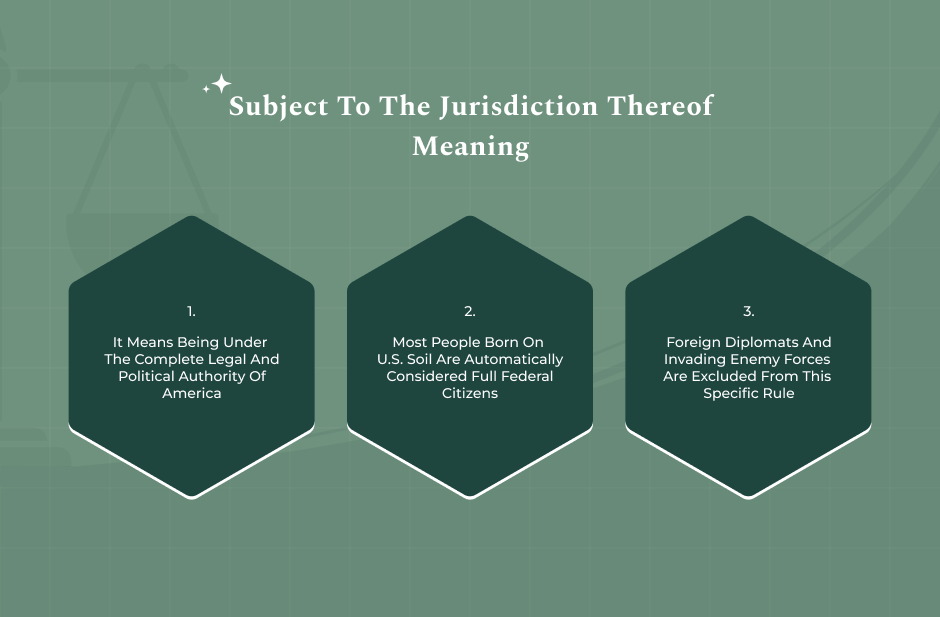
One must consider the physical presence and legal obedience in order to know what subject to the jurisdiction thereof means.
It means the person must be under the direct authority of the laws of the US while on American soil. (Source: Congress)
Exploring The Subject To The Jurisdiction Thereof Meaning
The term does not imply mere physical presence on some land within a US state. It implies that the individual is not excluded from the laws of the United States because of diplomatic immunity or being an enemy.
Most people born in the United States are naturally subject to the jurisdiction thereof because they bear allegiance to the government.
Difference Between Territorial And Political Jurisdiction
Some scholars have argued that being subject to the jurisdiction thereof implies a complete political allegiance.
Others have argued that it implies being within the borders and following police laws. This difference has often led to the division between originalists and living document constitutionalists.
Federal And State Laws Regarding Citizenship Status

The first law on the matter is the 14th Amendment, which declares that all persons born in the US and subject to the jurisdiction thereof are citizens. Nevertheless, federal laws have further defined the way we process these issues on a daily basis.
The Role Of Title 8 Of The US Code
Congress has codified the constitutional provision in 8 U.S.C. § 1401. This law is essentially the same as the 14th Amendment, confirming that those born in the US and subject to the jurisdiction thereof are both nationals and citizens. This is the basis on which the Department of State issues passports to babies born on US soil.
State Vital Records And Birth Certificates
Although the federal government is ultimately responsible for citizenship, state vital statistics departments have an important function in the issuance of birth certificates.
These certificates are the primary means by which we determine that an individual was born in a specific territory.
Should the state record the birth of an individual, they presume jurisdiction over the child unless a specific legal exception is met.
Exceptions in Diplomatic Immunity
Children of foreign diplomats is one of the significant exceptions in not being under the jurisdiction thereof.
Since their parents enjoy diplomatic immunity, they cannot be considered fully under the jurisdiction of the US courts.
The federal law fully complies with this requirement in order to avoid international law problems with dual allegiances.
Tribal Sovereignty And The 14th Amendment
In the past, Native Americans were viewed as separate entities or nations. This means that they were not necessarily under their jurisdiction in the 1800s.
The Indian Citizenship Act of 1924 was passed by Congress with the intention of providing for the citizenship rights of Native Americans born in the US.
Landmark Supreme Court Cases On Citizenship
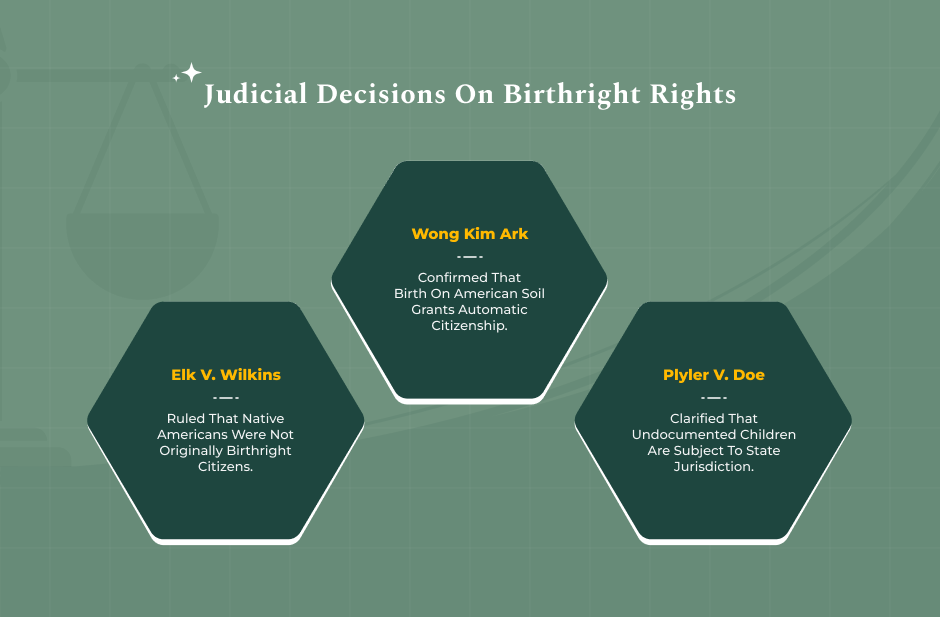
The judiciary has been determining who is really subject to the jurisdiction thereof for over a hundred years. The basis of the present day consensus on the protection of the birthright citizenship of almost everybody born in the country is the aforementioned cases.
United States V. Wong Kim Ark (1898)
This is the most significant case in the history of the term “subject to the jurisdiction thereof.” The defendant was born in San Francisco to Chinese parents who were legal residents.
The government wanted to prevent the defendant from re-entering the U.S. after he went abroad.
The Supreme Court held that the defendant was a citizen because he was born in the U.S. and was subject to the jurisdiction thereof at the time of his birth. The status of the parents did not negate the child’s birthright citizenship.
Elk V. Wilkins And The Allegiance Test
In 1884, John Elk attempted to vote, stating he was a U.S. citizen through the 14th Amendment. The court decided against him, saying he was not fully subject to the jurisdiction thereof as he was a tribal member.
This was an example of the “allegiance” portion of this clause, which was later addressed through legislation in the 1920s.
The Modern Interpretation In Plyler V. Doe
In 1982, in the educational case of Plyler v. Doe, even though it was an educational case, it was brought up in footnote form as to what it means to be subject to the jurisdiction thereof.
The justices said it was anyone within the U.S. borders who had to abide by U.S. laws. This is very relevant today, even in 2026.
Current Litigation And Executive Orders
Contemporary political leaders have suggested that executive orders can be used to stop birthright citizenship. They have argued that children of those living in the country illegally are not really under the jurisdiction thereof.
Almost all legal scholars believe that such an action would violate the precedent set in Wong Kim Ark, but it is a highly debated issue in federal courtrooms across the country.
Legal And Policy Impacts Of The Jurisdiction Clause
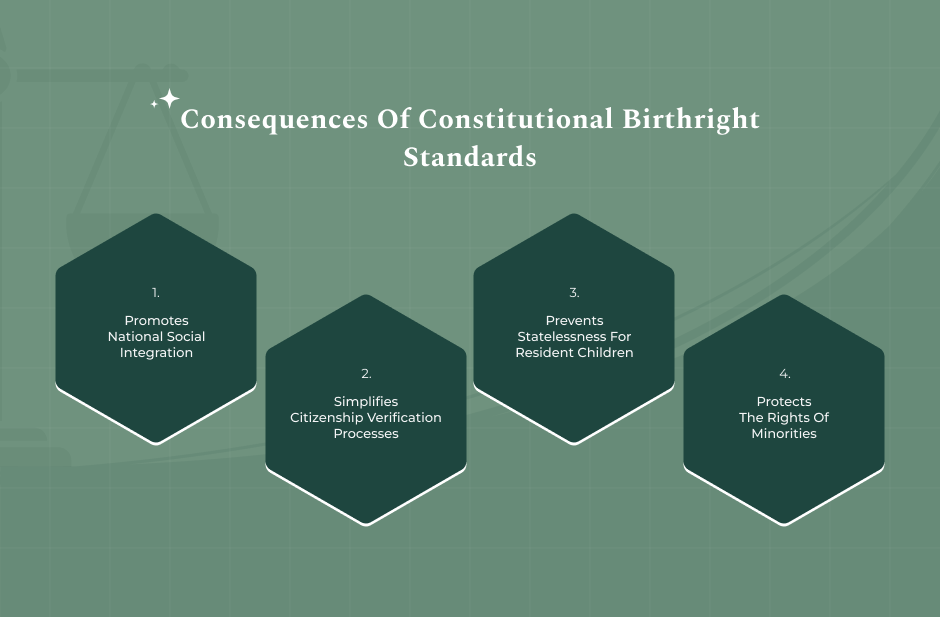
The requirement that one be subject to the jurisdiction thereof means that citizenship is not just a physical location but a legal one as well. It prevents a ‘dual class’ citizenship where people can live in the country for centuries without ever becoming a part of the political body.
Social Stability And Integration
The legal meaning of being subject to the jurisdiction thereof can be complex for those unfamiliar with constitutional history. These questions address common citizen concerns regarding birthright and legal status.
Frequently Asked Questions (FAQs):
The legal meaning of being subject to the jurisdiction thereof can be complex for those unfamiliar with constitutional history. These questions address common citizen concerns regarding birthright and legal status.
Yes, children born to tourists in the US are generally citizens because the parents must follow US laws while visiting.
Congress can pass laws, but only a Constitutional Amendment or a Supreme Court ruling can change this fundamental meaning.
Usually, no. Birthright citizenship under the 14th Amendment typically requires being born within the actual physical territory of the US states or incorporated territories.
Read Also: