Today’s topic: What to expect physically after a car accident?
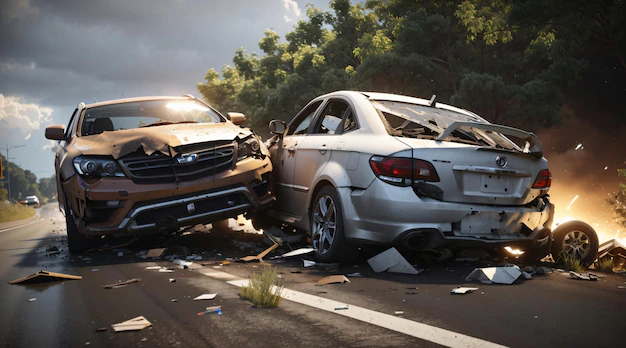
Car accidents hit like a bolt from the blue, smashing up your ride and, yeah, messing with your body and head big time. That collision force? It slams your whole system, sparking injuries that throw your daily routine into chaos.
But what happens when you get hit by a car? Stick with me here—we’re diving into the usual suspects for physical hits and how to handle them. Think whiplash, neck aches, head knocks, concussions… I’ll walk you through what you need to know to get back on track.
Plus, we’ll tackle back and spine stuff, those sneaky bone breaks, too. Armed with this, you’re set to navigate recovery, wherever it twists.
Common Physical Injuries After A Car Accident
Post-crash, your body’s reeling from whatever damage the wreck dished out—mild or wild.
Whiplash
Firstly, there’s whiplash! Picture your head snapping forward then back like a puppet on strings; it tweaks those neck muscles and ligaments, leaving you sore, stiff, barely able to turn.
Broken Bones And fractures
Secondly, the big jolt often cracks ribs, arms, legs, wrists—you name it. Don’t forget the softer hits: bruises, sprains, strains that swell up and make moving a nightmare.
Traumatic Brain Injuries
Finally, you cannot forget about the trauma! These kick in from a head bash or something piercing through, like glass shards or worse.
Phoenix car accident lawyer Luis P. Guerra points out they’re tricky—not always obvious right away, unlike a busted arm. That’s why you gotta get checked out ASAP after any smash-up.
Oh, and yeah, head injuries, concussions, spinal damage? They tag along plenty in these wrecks.
Dealing With Whiplash And Neck Pain
Adrenaline fades, and bam—neck starts throbbing, whiplash sets in after the crash.
Take it seriously, huh? Head to the doc if symptoms pop. They might suggest ice or heat therapy, OTC pills, or light stretches to ease the ache and kickstart healing.
Steer clear of stuff that amps it up, stick to the doctor’s plan. Most folks shake it in weeks or months, with some TLC and time.
Understanding Head Injuries And Concussions
Your noggin smacks the wheel, dash, window—boom, head injury in a car wreck. Could be a light concussion or full-on brain trauma.
Watch for headaches, wooziness, foggy brain, memory glitches, and trouble focusing. Any of that? Doc time, no kidding—ignore it, and you’re risking lifelong crap.
Rest, pain meds, maybe PT—that’s the usual playbook for getting better.
Managing Back And Spinal Cord Injuries
Back and spine woes need all-hands care: rehab, pain control, getting you moving again to reclaim your life.
Crashes jerk you around, sparking back pain easily enough. Worse case? A collision crushes the spine, causing paralysis or numbness in the affected zones.
Fixes run from PT and meds to surgery if it’s bad. Rehab builds muscle, boosts mobility. For pain pills, heat/cold packs, and massages, they help a ton.
Chat with pros for a plan tailored just for you and your goals.
Recovering From Broken Bones And Fractures
Wrecks love snapping bones from the impact—tough break, literally. Besides, recovery’s no picnic, but smart moves get you strong and limber again. PT’s your best buddy here, rebuilding motion, power, flex.
Pain tricks like meds or other therapies smooth the ride.
Eat right, crash out plenty—bones need that fuel to knit. Give it time! You’re in for a haul, but stick-to-it grit and backup get you whole.
Compensation In A Car Accident
Life post-car crash? It’s a grind, full of curveballs you didn’t see coming. Whiplash nagging away, or brain trauma stealing your freedom—wrecks flip your world upside down. Drive smart, extra careful, and if it happens anyway, call medical help fast.
Read Also: The Difference Between Economic and Non-Economic Damages in Personal Injury Cases
Types Of Damages You Can Claim
Here are some of the major types of damages that you can seek compensation for:
Economic Damages:
Firstly, these are the costs you can clearly prove with bills and receipts. Think medical expenses—emergency care, hospital stays, surgeries, follow-up treatments, and even rehab down the road.
If you missed work, you can claim lost wages, too. And if your injuries mean you can’t earn as much in the future, that’s covered. Besides, don’t forget about property damage—if your car or anything else got wrecked, you can ask for the money to repair or replace it.
Non-Economic Damages:
Secondly, this is the stuff that’s harder to put a number on, but just as real. For instance, pain and suffering cover both physical pain and the emotional toll.
Additionally, if your injury messes with your relationships—like with your spouse or family—you can ask for loss of consortium. And if your life just isn’t the same anymore, you can claim for loss of quality of life.
Factors Influencing The Settlement Amount
Here are some of the factors that can influence the settlement amount:
- Severity of Injury: Catastrophic injuries like spinal or brain damage usually mean much higher settlements than something like a sprain
- Comparative Fault: If you share some of the blame for what happened, your payout drops by your percentage of fault. For example, if you’re 20% at fault and win $100,000, you only get $80,000.
- Insurance Policy Limits: There’s also the insurance policy limit—the most you can get is whatever the at-fault person’s insurance covers.
- Evidence Quality: The more documentation you have—police reports, medical bills, statements from witnesses—the better your chances at a higher settlement.
Frequently Asked Questions (FAQs):
Here are some of the questions that people often ask for when they want to know what to expect physically after a car accident. Take a look at them:
No, you should never admit fault at the scene of a car accident. Even saying “I’m sorry” at the scene can get twisted into admitting you caused the crash. That one moment can really hurt your chances of getting compensation or defending yourself if things get messy later.
That’s pretty common. When nobody takes the blame, it turns into a liability dispute. Besides, at that point, it’s not about who says what—it’s about what the evidence shows. Furthermore, insurance companies and courts have their own ways to figure things out, and they care about proof, not apologies.
Insurance adjusters don’t just look at one thing and call it a day. They dig in, collect all kinds of evidence—photos, witness statements, accident reports—and then build a story of what happened. It’s about the facts, not just what people say.